Composting in Your Backyard: Turning Food Scraps into Soil
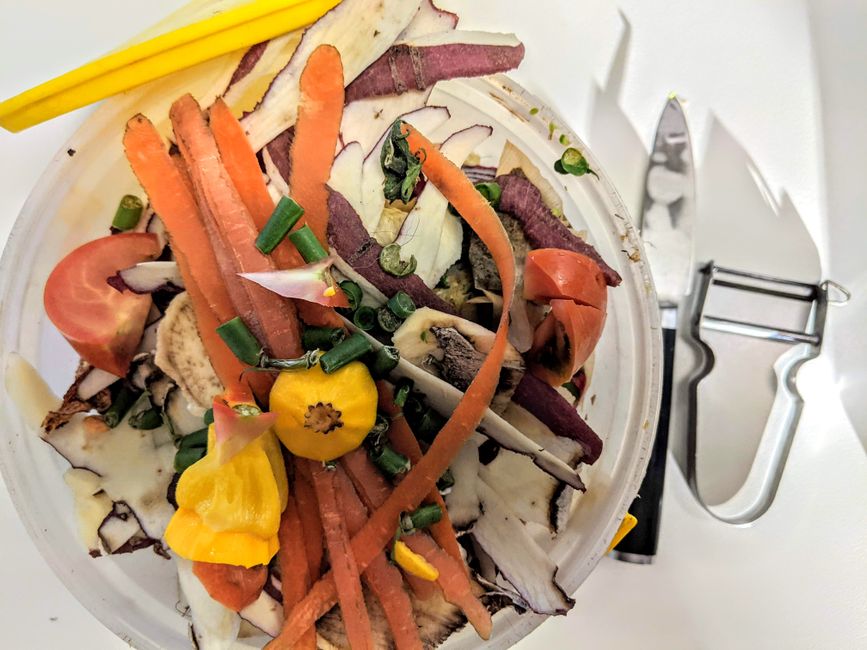
Composting is a natural process that transforms organic waste, such as kitchen scraps and yard trimmings, into a valuable soil amendment. By creating a compost pile in your backyard, you can reduce the amount of waste sent to landfills while producing a nutrient-rich material that can enhance garden soil. This article provides an overview of the composting process, the types of materials that work well, and the essential practices for maintaining a healthy compost pile.
Understanding how composting works can help you manage your pile effectively. The process relies on the activity of microorganisms, fungi, and invertebrates that break down organic matter under controlled conditions. These organisms require oxygen, moisture, and a proper balance of carbon and nitrogen to thrive. By creating an environment that supports these organisms, composting can proceed efficiently, yielding a dark, crumbly product often referred to as “black gold” for gardens.
In this guide, we will explore the key components of a compost pile, including the ideal “brown” and “green” materials, the importance of aeration and moisture, and common troubleshooting strategies. Whether you are new to composting or looking to refine your methods, this information will help you turn kitchen scraps into a resource for your garden.
Understanding the Composting Process
Composting is a biological decomposition process that occurs in phases. Initially, mesophilic microorganisms (those that thrive in moderate temperatures) begin breaking down easily degradable compounds. As their activity increases, the pile’s temperature rises, and thermophilic microorganisms (heat-loving) take over, speeding up decomposition. This heating phase is crucial for breaking down complex materials like fats and proteins, and it can also help reduce the presence of weed seeds and plant pathogens if the temperature is sustained. Over time, as the readily available organic matter is consumed, the pile cools, and fungi, actinobacteria, and macro-organisms like earthworms and insects continue the process, converting the remaining material into stable humus.
To support these microbial communities, a compost pile requires specific conditions. Oxygen is essential for aerobic decomposition; without it, the pile may become anaerobic, leading to unpleasant odors and slower breakdown. Moisture is equally important, as microorganisms need water to transport nutrients and enzymes. The ideal moisture content is often compared to a wrung-out sponge—damp but not dripping. Additionally, the particle size of materials affects decomposition; smaller pieces have more surface area for microbial activity, so chopping or shredding larger items can accelerate the process.
Selecting Materials for Your Compost Pile
Successful composting depends on a balanced mix of carbon-rich (“browns”) and nitrogen-rich (“greens”) materials. Browns provide energy for microorganisms and help create structure, allowing air to flow through the pile. Common browns include dry leaves, straw, shredded paper, cardboard, and small wood chips. Greens supply nitrogen and proteins needed for microbial growth. Examples include fruit and vegetable scraps, grass clippings, coffee grounds, and plant trimmings. A general guideline is to use approximately two to three parts browns to one part greens by volume, though this can vary based on the moisture and texture of the materials.
While many organic materials are suitable for composting, some items are best avoided. Meat, fish, dairy products, and oily foods can attract pests and may produce strong odors if not managed properly. Diseased plants or weeds with mature seeds might survive the composting process if temperatures are not high enough, so it is safer to exclude them or ensure the pile reaches sufficient heat. Additionally, sawdust from treated wood or pet waste should be avoided due to potential contaminants. By carefully selecting materials, you can create an environment that fosters efficient decomposition and yields a high-quality end product.
Building and Maintaining Your Compost Pile
When starting a compost pile, consider the location: a well-drained area with partial shade is often ideal. Begin by laying a base of coarse materials like small twigs or straw to encourage air circulation from the bottom. Then alternate layers of browns and greens, moistening each layer as you go. The pile should be at least three feet in each dimension to generate enough heat, though smaller piles can still work if managed carefully. Once the pile is built, the key to maintenance is turning it regularly to aerate the contents and redistribute moisture.
Turning the pile every one to two weeks mixes the outer layers into the center, ensuring that all materials are exposed to high temperatures and microbial activity. If the pile becomes too dry, add water while turning; if it becomes too wet, add more browns and turn again to enhance drying. Monitoring the moisture and temperature can help you adjust your practices. A compost thermometer can be useful, but you can also feel the heat by inserting your hand into the center—if it feels warm, the pile is active. By maintaining these conditions, you support the microorganisms that drive the process, leading to the eventual production of mature compost.
Troubleshooting Common Composting Issues
Several issues can arise when composting, but most can be resolved by adjusting the conditions. If the pile has a foul odor, it may be too wet or lack oxygen. Turning the pile to introduce air and adding dry browns can often mitigate this problem. On the other hand, a pile that is not heating up may be too dry, too small, or lacking greens. Adding water, increasing the pile’s size, or mixing in more nitrogen-rich materials can stimulate activity. Pests like rodents or flies can be discouraged by burying food scraps under a layer of browns and avoiding the inclusion of prohibited items.
Another common concern is the presence of weed seeds or plant diseases in the final compost. To reduce this risk, ensure the pile reaches and maintains a temperature between 130°F and 160°F for several days, which can neutralize many pathogens and weed seeds. However, if you choose not to manage temperature actively, it is safer to avoid adding problematic weeds or diseased plants. By addressing these issues promptly and adjusting your methods, you can keep your compost pile productive and avoid unpleasant surprises.
Using Your Compost in the Garden
Mature compost is dark, crumbly, and has an earthy smell. It can be used in various ways to improve garden soil. You can mix it into planting beds before planting to enhance soil structure, water retention, and nutrient content. As a top dressing, it can be applied around existing plants to slowly release nutrients and suppress weeds. Compost can also be added to potting mixes for container plants. A common practice is to screen the compost to remove any coarse, undecomposed particles, which can then be returned to the pile.
The application rate depends on your soil’s condition and the plants you are growing. Generally, incorporating an inch or two of compost into the top few inches of soil is beneficial for most gardens. It is important to note that compost is not a fertilizer in the traditional sense; it works by improving soil health and supporting beneficial microbial life. Therefore, the effects on plant growth may vary, and additional fertilization might be necessary depending on specific plant needs. By regularly adding compost, you can build and maintain fertile soil over time.
Environmental Benefits and Considerations
Composting offers several environmental benefits. It reduces the volume of waste sent to landfills, where organic materials often decompose anaerobically, producing methane—a potent greenhouse gas. By composting aerobically, you can lower those emissions and instead create a material that sequesters carbon in the soil. Additionally, compost improves soil structure, reduces erosion, and enhances the soil’s ability to retain water, which is especially valuable in dry regions. It also lessens the need for chemical fertilizers, which can have environmental impacts from their production and use.
However, the net benefits depend on how the composting system is managed. For instance, if a compost pile becomes anaerobic due to poor aeration, it may produce methane-like odors and slow decomposition. Therefore, proper maintenance is key to realizing the environmental advantages. Furthermore, while compost can contribute nutrients to plants, the nutrient content varies widely based on the materials used. As a result, relying solely on compost for plant nutrition may not provide all the elements required in the right quantities. Nevertheless, as part of a broader soil management strategy, composting can play a significant role in sustainable gardening and waste reduction.
In summary, backyard composting is a practical and rewarding practice that turns food scraps into a valuable resource for your garden. By understanding the science behind decomposition, selecting appropriate materials, and maintaining optimal conditions, you can produce compost that benefits both your plants and the environment. While challenges may arise, they are usually manageable with basic troubleshooting. As with any gardening practice, the outcomes depend on multiple factors, but with time and attention, composting can become a routine part of your sustainable living efforts.