How to Start Recycling at Home: A Beginner’s Guide
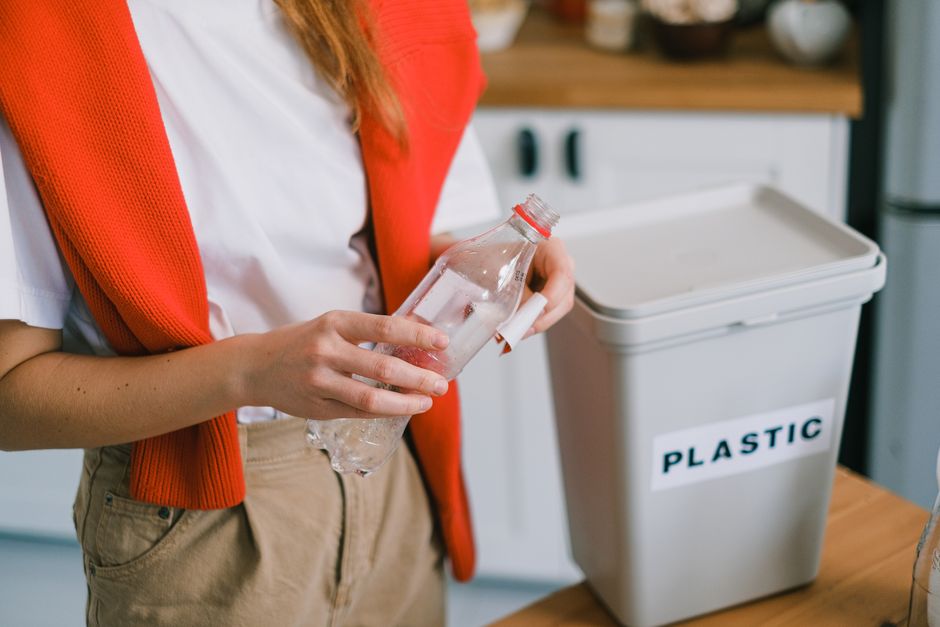
Recycling at home is a practical way to reduce waste and contribute to environmental sustainability. However, many people find the process confusing due to varying local rules and the wide range of materials that can be recycled. This guide aims to clarify the fundamentals of recycling, focusing on the most common household materials: paper, plastic, glass, and metal. By understanding basic sorting techniques and preparation methods, you can make recycling a seamless part of your daily routine.
The first step in starting a home recycling system is to understand your local recycling program. Different municipalities have different guidelines regarding what materials are accepted, how they should be sorted, and how they should be prepared. Check your local waste management website or contact your service provider to obtain specific instructions. This will ensure that your efforts align with your community’s infrastructure and avoid contamination. Keep in mind that recycling is a collective effort, and proper sorting on your part supports the entire recycling chain.
Understanding Your Recycling Bin System
Most residential recycling programs provide either a single-stream system, where all recyclables are placed in one bin, or a dual-stream system, where paper and cardboard are separated from containers. Some areas may also have separate bins for yard waste or compost. Familiarize yourself with the bin system used in your area. If you have a single-stream system, you can simply place all accepted items together. If you have a dual-stream system, you will need to sort paper and cardboard into one bin and plastic, glass, and metal containers into another. Regardless of the system, always check for specific exceptions, such as certain plastics that are not recyclable in your region.
How to Sort Paper and Cardboard
Paper and cardboard are among the most commonly recycled materials. They can be recycled multiple times, but the quality of the fiber degrades with each cycle, so it is important to keep them clean and dry. Acceptable paper items include office paper, newspapers, magazines, junk mail, and envelopes (including those with plastic windows, unless your program specifies otherwise). Cardboard includes shipping boxes, cereal boxes, and paperboard. Before placing paper in the recycling bin, remove any non-paper components, such as plastic wrap or metal clasps. Flatten cardboard boxes to save space. Keep paper and cardboard dry to prevent contamination and ensure they are free from food residue. Pizza boxes, for instance, may not be accepted if they are heavily soiled with grease; check your local guidelines.
How to Handle Plastic Containers
Plastic recycling is more complex because not all plastics are recyclable or accepted in all programs. Most curbside programs accept plastic bottles, jugs, and containers with a recycling symbol and a number from 1 to 7, but this varies. The most commonly accepted types are PET (#1) and HDPE (#2). To prepare plastic items, empty the contents and rinse the containers to remove food residue. Remove caps if your program requires it; some accept caps, others don’t. Leave the price tags and labels on, as they are typically removed during processing. Do not recycle plastic bags, polystyrene foam (Styrofoam), or plastic film unless your program specifically accepts them. These items can cause issues at sorting facilities and are often handled separately.
Preparing Glass for Recycling
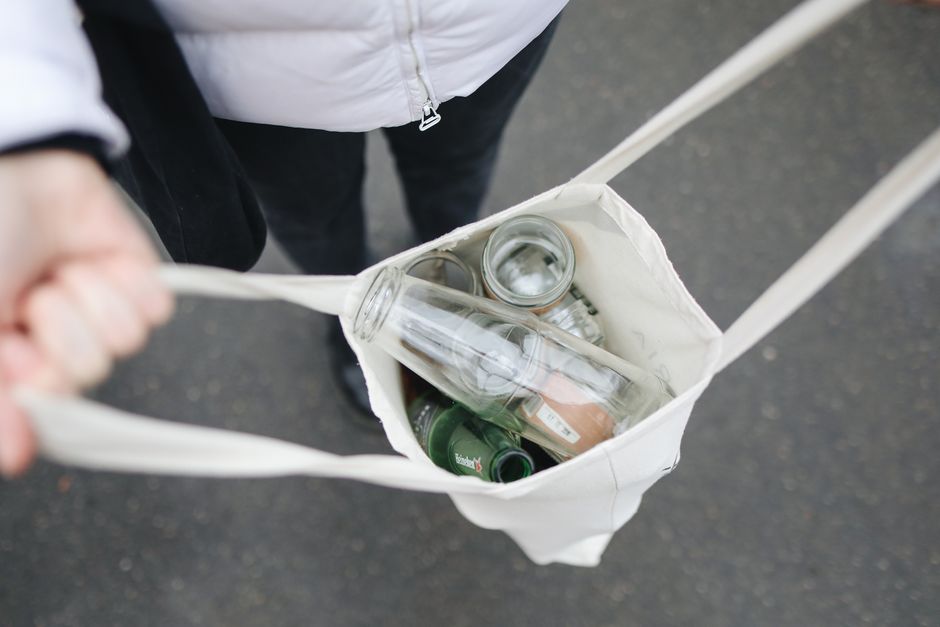
Glass is infinitely recyclable without loss of quality. However, it is important to prepare it correctly to avoid breakage and contamination. Most programs accept glass bottles and jars of any color. Rinse each container to remove contents, and remove metal lids and plastic caps, as these are often not recyclable with glass. Some programs require you to separate glass by color, but others allow mixed colors. Check your local rules. Place glass gently in the bin to minimize breakage. Note that broken glass can be dangerous for waste collectors and may not be accepted; if a jar breaks, it is safer to dispose of it in the trash, as broken glass is difficult to process.
Recycling Metal Items
Metal recycling includes aluminum cans, tin cans, and steel containers. These are valuable materials that can be recycled repeatedly. Rinse cans to remove food residue; labels can be left on. For steel cans, you can remove the paper label if desired, but it is not necessary. Flatten cans if space allows. Do not recycle aerosol cans, paint cans, or metal items that have significant contamination, as they may pose safety risks. Check if your program accepts scrap metal; some have special collection days. Proper preparation ensures that the metal can be efficiently melted down and reused.
Setting Up Your Home Recycling Station
To make recycling convenient, set up a designated area in your home for collecting recyclables. Use clearly labeled bins or containers for each material type, or one bin if you have a single-stream system. Place the bins in a location that is easy to access, such as a kitchen pantry or utility room. Consider using bins that are easy to carry and clean. Establish a routine: empty your kitchen bin into the outdoor or curbside container regularly. Keep a list of accepted items near your bins to avoid confusion. Educate all household members about the recycling rules to ensure everyone participates correctly.
Overcoming Common Recycling Challenges
Many people encounter challenges when starting to recycle, such as uncertainty about what items are recyclable or dealing with items that are not clean. The best approach is to refer to your local guidelines and follow them closely. When in doubt, it is better to dispose of an item in the trash rather than risk contaminating a recycling batch with a non-recyclable item. Remember that recycling contamination is a significant issue that can lead to entire loads being sent to landfill. If you are unsure about a specific item, check your local waste authority’s website or contact them directly. By staying informed, you can recycle effectively and contribute to a more sustainable future.
Recycling is a habit that becomes easier once you understand the basic principles. By sorting paper, plastic, glass, and metal correctly and preparing them properly, you are playing a vital role in reducing waste and conserving resources. Remember that recycling programs are constantly evolving, so periodically review your local rules to stay up to date. With a little effort, you can integrate recycling into your daily life and make a positive impact on the environment.