10 Simple Ways to Reduce Your Energy Bills and Carbon Footprint
In an era where environmental awareness and financial prudence go hand in hand, finding ways to reduce energy consumption has become a common goal for many households. The intersection of cost savings and environmental responsibility offers a practical path toward more sustainable living. This article explores ten straightforward strategies that can help lower energy bills and lessen one’s carbon footprint. These measures range from simple behavioral adjustments to more significant home improvements, each contributing to a more efficient use of resources.
Understanding the mechanics of energy consumption in a typical home is essential for making informed decisions. By focusing on areas such as lighting, heating, cooling, and appliance usage, it is possible to identify opportunities for improvement. The methods discussed here are based on widely recognized best practices in energy efficiency. While results may vary depending on factors like climate, home size, and existing equipment, these approaches offer a starting point for those seeking to reduce their environmental impact and manage household expenses.
Evaluate Your Energy Usage
The first step in any energy reduction plan is to understand how much energy your household uses and where it goes. Conducting a home energy audit can provide valuable insights into consumption patterns. Many utility companies offer free or low-cost energy assessments, which can highlight areas of waste. Additionally, there are simple methods to assess your own usage, such as reading your electricity meter regularly and reviewing past utility bills. These records can reveal seasonal trends and identify appliances that may be operating inefficiently.
Once you have a clearer picture of your energy consumption, you can prioritize the measures that will have the most significant impact. For instance, if your heating and cooling system is the dominant energy consumer, focusing on optimizing that system should be a top priority. Similarly, if your water heater is old and inefficient, addressing that may yield substantial savings. An informed approach ensures that your efforts are directed towards the most impactful areas, making your energy-saving initiatives more effective.
Switch to LED Lighting
Lighting accounts for a considerable portion of household electricity use, and one of the simplest changes is to replace incandescent bulbs with energy-efficient LEDs. LED bulbs use up to 75% less energy and last many times longer than traditional bulbs. The initial cost is higher, but the long-term savings in energy costs are substantial. Over the life of an LED bulb, the savings on electricity bills can more than offset the purchase price.
When selecting LED bulbs, consider the color temperature to match the ambiance of your rooms. Warmer tones are suitable for living areas, while cooler tones may be better for task lighting. Additionally, take advantage of natural light during the day by opening curtains and blinds, reducing the need for artificial lighting. Simple habits like turning off lights when leaving a room further contribute to energy savings. These practices, when combined, can significantly reduce the energy required for lighting.
Optimize Your Thermostat
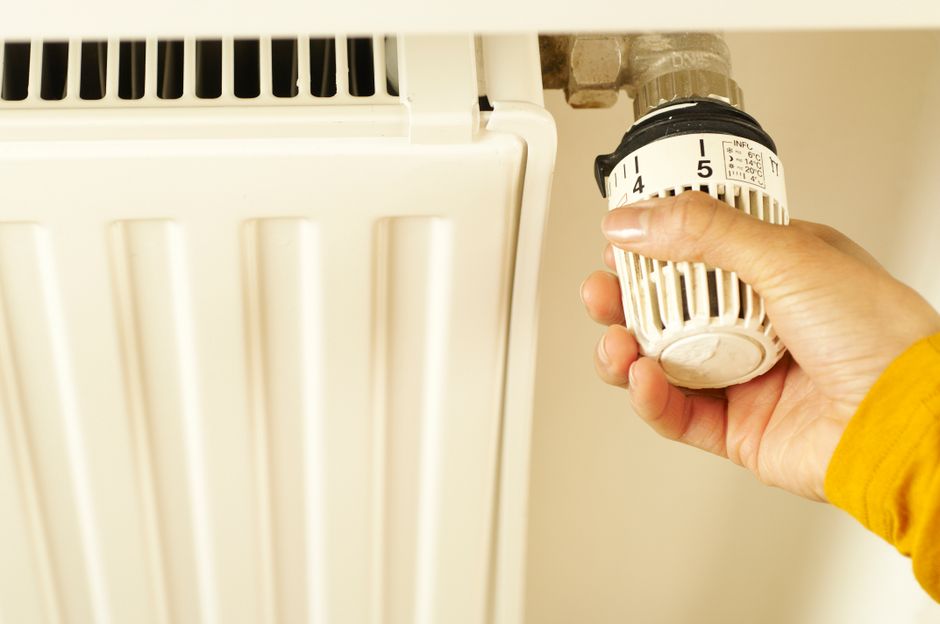
Heating and cooling often constitute the largest share of household energy use. Programming your thermostat to adjust temperatures according to your daily schedule can lead to meaningful reductions in energy consumption. For example, setting the thermostat lower during sleeping hours or when the house is empty can prevent unnecessary heating or cooling. Many modern smart thermostats can learn your preferences and automatically adjust settings to optimize energy use, and they can be controlled remotely via smartphone apps.
The U.S. Department of Energy recommends setting the thermostat to 68°F in the winter and 78°F in the summer when you are at home, and adjusting it down or up by 7–10°F for at least eight hours a day. While these numbers provide a guideline, personal comfort and health considerations take precedence. It’s important to note that making these adjustments may not be suitable for everyone, especially for those with medical conditions or young children. However, even small adjustments can accumulate into significant savings over time.
Address Air Leaks and Insulation
Air leaks around windows, doors, and other openings can cause conditioned air to escape, forcing your heating and cooling systems to work harder than necessary. Sealing these gaps with weatherstripping or caulking is a cost-effective measure that improves home comfort and energy efficiency. In addition, proper insulation in walls, attics, and basements reduces heat transfer, keeping your home warmer in winter and cooler in summer. Insulation levels vary by region, so it’s wise to have a professional assess whether your home meets current recommendations.
Improving insulation and sealing air leaks not only reduces energy consumption but also enhances indoor air quality and comfort. It can also help prevent moisture issues and reduce the load on your HVAC system, potentially extending its lifespan. While some of these improvements may require professional installation, there are simple DIY projects, such as adding door sweeps or using window film, that can be accomplished with minimal tools. Each measure contributes to a more efficient enclosure, reducing the demand for heating and cooling energy.
Upgrade to Energy-Efficient Appliances
When it’s time to replace household appliances, choosing models with the ENERGY STAR label can significantly reduce energy consumption compared to older units. ENERGY STAR-certified appliances meet strict efficiency guidelines set by the U.S. Environmental Protection Agency. Refrigerators, washing machines, dishwashers, and water heaters are among the appliances that offer substantial savings when upgraded. The upfront cost is often higher, but the reduction in annual energy bills can offset this over time.
It’s also important to maintain and use existing appliances efficiently. For instance, running full loads in the dishwasher and washing machine maximizes efficiency, and using cold water for laundry reduces heat energy requirements. Similarly, setting your refrigerator to the recommended temperature (between 35°F and 38°F) and ensuring its seals are tight can prevent energy waste. Regularly cleaning filters in clothes dryers and air conditioners also improves performance and energy use.
Utilize Smart Power Strips
Many electronic devices continue to draw power even when they are turned off, a phenomenon known as standby power or “vampire power.” Computers, televisions, game consoles, and chargers are common culprits. Using smart power strips can mitigate this effect by cutting power to devices when they are not in use. These strips can be programmed to shut off after a certain time, or they can be controlled manually. By plugging electronics into such strips, you can eliminate the energy waste associated with standby mode.
Identifying which devices are the primary energy consumers in the standby mode can help prioritize which ones to connect to a smart strip. Typically, devices with remote controls or continuous displays, like DVRs and microwaves, use more standby power. Unplugging these devices when not in use is another simple habit that yields savings. While the savings per device may seem modest, the cumulative effect can be noticeable on your monthly bill.
Practice Energy-Efficient Water Heating
Water heating can account for about 15% to 20% of a home’s energy use. Lowering your water heater’s temperature to 120°F can reduce energy consumption and prevent scalding. Insulating hot water pipes and the water heater tank itself can further minimize heat loss. These measures are relatively inexpensive and can be done as DIY projects. Additionally, reducing water usage through low-flow fixtures or shorter showers lessens the amount of heated water needed.
When it’s time to replace your water heater, consider a high-efficiency model or a tankless water heater that heats water on demand. These systems can be more energy-efficient than conventional storage tanks, though their effectiveness depends on your household’s water usage patterns. By combining these strategies, you can reduce the energy required for water heating and contribute to lower overall energy consumption.
Integrate Renewable Energy Sources
For homeowners looking to make a more significant impact, installing solar panels or subscribing to a community solar program can reduce reliance on fossil fuels and lower long-term energy costs. Solar panel systems vary in size and cost, and their feasibility depends on factors such as roof orientation, shading, and local incentives. Some regions offer tax credits or rebates that make solar installation more affordable. While the upfront investment is considerable, the potential for reduced electricity bills and increased energy independence is attractive.
Alternatively, purchasing renewable energy credits or choosing a green power plan from your utility provider supports the development of renewable energy sources without the need for personal installation. These options may involve slightly higher rates but contribute to a cleaner energy grid. Before making any decision, it’s crucial to research local policies, incentives, and your home’s suitability to ensure that a renewable energy investment aligns with your circumstances.
“Every home is unique, and the effectiveness of energy-saving measures depends on a variety of factors including climate, building characteristics, and lifestyle choices.”
Conclusion
Adopting a mindful approach to energy consumption offers both economic and environmental benefits. The ten strategies discussed provide a roadmap for reducing energy usage, from simple lighting changes to comprehensive home upgrades. By implementing a combination of these measures, households can not only see a decrease in their energy bills but also contribute to a reduction in carbon emissions. It’s essential to recognize that the outcomes are not guaranteed and depend on individual circumstances. However, each step taken towards greater energy efficiency is a step in a more sustainable direction.
As you embark on this journey, consider the unique aspects of your living situation. Prioritize the changes that are most feasible for you, and gradually incorporate others over time. The cumulative impact of small adjustments, when multiplied across millions of households, can indeed make a meaningful difference in the global effort to combat climate change. With careful planning and informed choices, the goal of lower energy costs and a smaller carbon footprint is within reach.