How to Save Water at Home: Practical Tips for Every Room
Water is a fundamental resource, yet its availability is not infinite. As households across the United States face varying degrees of water stress, understanding how to reduce water consumption becomes both an environmental and economic consideration. This article outlines practical, room-by-room approaches to water conservation, focusing on techniques that can be implemented with relative ease. By examining common areas of water use and exploring both behavioral adjustments and technological upgrades, readers can gain a comprehensive understanding of how to effectively manage water at home without compromising daily routines.
The process of saving water involves more than simply turning off the tap while brushing teeth. It requires a holistic view of water flow within a home, including identifying inefficiencies, upgrading fixtures, and adopting habits that reduce waste. The strategies discussed here are grounded in common practices and are applicable to most households. It is important to note that the effectiveness of these methods can vary based on factors such as local water pressure, fixture age, and individual usage patterns. Therefore, the following suggestions are presented as informative guidelines rather than guaranteed solutions.
Understanding Household Water Usage
Before diving into specific actions, it is useful to understand where water is consumed in a typical home. Research indicates that the largest portion of indoor water use occurs in the bathroom, particularly through toilet flushing, showering, and faucet use. The kitchen, including dishwashing and cooking, also contributes significantly. Outdoors, irrigation and car washing can dominate water consumption, especially in drier regions. By recognizing these patterns, homeowners can prioritize which changes may have the most impact. However, it is essential to consider that usage varies widely depending on household size, lifestyle, and climate.
Another factor to understand is the concept of virtual water, which refers to the water embedded in products and services. While this article focuses on direct household use, it is worth noting that choices such as food consumption indirectly influence water footprints. Nevertheless, the most actionable steps involve managing direct water flow. A systematic approach involves measuring current usage through water bills or meters, which can provide a baseline. This data helps in setting realistic reduction goals and tracking progress over time. It is advisable to involve all household members in conservation efforts, as collective behavior changes are often more sustainable than individual actions.
Saving Water in the Bathroom
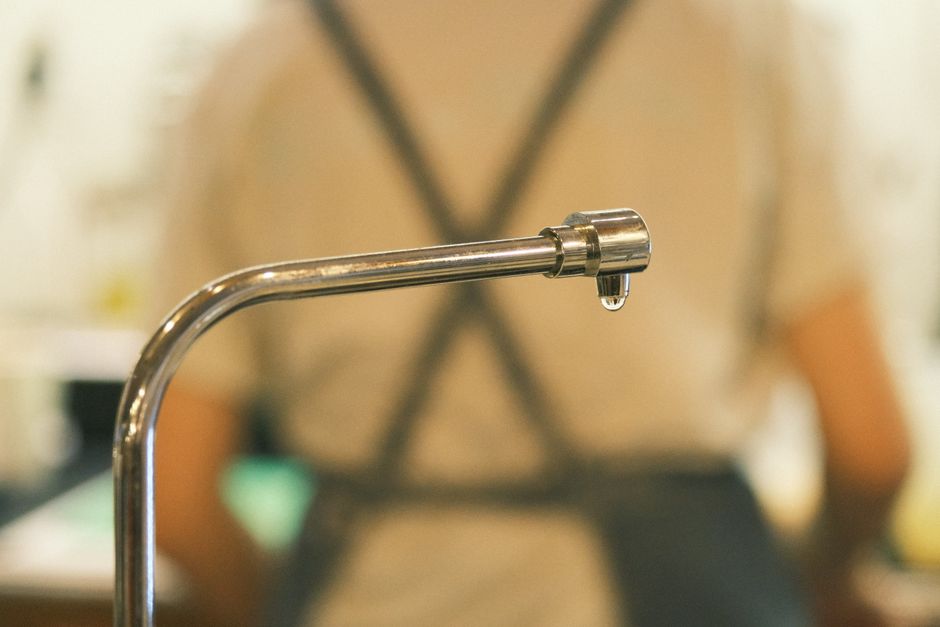
The bathroom is often the primary target for water savings due to its high usage. One of the most effective measures is to address leaky toilets and faucets. A silent toilet leak can waste hundreds of gallons of water annually. To detect leaks, one can place a few drops of food coloring in the tank and wait without flushing. If color appears in the bowl within 15 minutes, a leak is present. Repairing such leaks typically involves replacing the flapper or adjusting the fill valve, which are relatively simple tasks. Similarly, dripping faucets can be fixed by replacing washers or O-rings, depending on the faucet type.
Beyond repairs, installing water-efficient fixtures can lead to substantial reductions. Low-flow showerheads are designed to maintain pressure while limiting flow rates, often using less than 2.5 gallons per minute. High-efficiency toilets (HETs) use 1.28 gallons per flush or less, compared to older models that might use 3.5 gallons. For existing toilets, adding a displacement device such as a filled plastic bottle can reduce flush volume, though caution is needed to ensure proper flushing. Faucet aerators are inexpensive and can significantly reduce water flow without sacrificing functionality. These upgrades not only conserve water but can also lower utility bills, yet the exact savings depend on current fixture efficiency and usage frequency.
Behavioral changes also play a crucial role. Taking shorter showers, turning off the tap while brushing teeth or shaving, and using a cup for rinsing are simple habits that can accumulate to meaningful savings. For baths, filling the tub only partially is another option. Additionally, one might consider installing a water-efficient shower timer to increase awareness of duration. While these practices may seem minor individually, when multiplied by every household member each day, they contribute to significant overall reduction. The key is consistency and mindfulness, which can be reinforced through visible reminders or family discussions about water conservation goals.
Efficient Water Use in the Kitchen
The kitchen offers multiple opportunities for water-saving measures, many of which involve altering daily routines. One common practice is running the dishwasher only with full loads, as this maximizes water use per cycle. Modern dishwashers are often more efficient than hand washing, especially when the user avoids pre-rinsing dishes. If washing by hand, it is better to fill one basin with soapy water and the other with rinse water rather than letting the tap run continuously. This method can cut water use significantly.
Kitchen faucets can be fitted with aerators or foot pedals that allow for easier flow control while performing tasks. When cleaning vegetables, filling a bowl with water rather than washing under running tap can reduce waste. The leftover water can be repurposed for watering plants, either indoors or outdoors. Similarly, water used to boil pasta or hard-boil eggs can be cooled and used for garden irrigation. These practices require minimal effort but contribute to a more conscious use of resources.
Another consideration is the use of cold water, as it avoids the energy cost of heating. Often, hot water is used unnecessarily for tasks like rinsing floors or cleaning. Checking for leaks under the sink is also important, as a slow drip can waste a surprising amount over time. By combining these behavioral adjustments with efficient fixtures, kitchens can become more water-conscious areas. It is also advisable to store a pitcher of drinking water in the refrigerator rather than running the tap until the water becomes cold, which not only saves water but also provides immediate access to refreshing hydration.
Conserving Water in the Garden and Outdoors
Outdoor water use represents a substantial portion of a household’s total consumption, particularly during warm months. Lawns and gardens often require significant irrigation, and many homeowners overwater without realizing it. One of the most effective strategies is to water deeply but infrequently, encouraging deeper root growth and reducing evaporation. The timing of watering is also crucial; early morning or late evening is preferable to minimize water loss due to heat and wind. Implementing a rain barrel system to collect rooftop runoff can provide a supplementary water source for plants, reducing reliance on municipal supplies.
Selecting drought-tolerant or native plants can dramatically reduce irrigation needs. These plants are adapted to local rainfall patterns and often require little additional water once established. Grouping plants with similar water requirements together, known as hydrozoning, allows for more efficient watering. Mulching around plants helps retain soil moisture and suppress weeds, further reducing the need for frequent watering. For lawns, adjusting mower height to leave grass slightly taller shades the soil and retains moisture. Additionally, minimizing the area of turf by incorporating patios, walkways, or ground cover alternatives can significantly cut outdoor water consumption.
Regular inspection of outdoor irrigation systems for leaks and misaligned sprinkler heads is essential. Drip irrigation systems deliver water directly to plant roots with minimal evaporative losses, making them a more efficient choice for garden beds. For those who prefer traditional sprinklers, placing a moisture sensor or rain shut-off device can prevent watering during or after rainfall. Finally, if it is necessary to wash a car, using a bucket rather than a running hose can save dozens of gallons per wash. These outdoor practices, when combined, can lead to substantial reductions in overall water usage, contributing to both environmental preservation and lower water bills.
Adopting Mindful Water Habits and Long-Term Strategies
Beyond specific fixtures and practices, fostering a mindful approach to water usage is key to sustained conservation. This involves integrating water-saving actions into daily life until they become second nature. Simple reminders, such as placing stickers near sinks or showerheads, can prompt conscious decisions. Additionally, educating household members about the importance of water conservation and involving them in goal setting can enhance commitment. Regular monitoring of water bills and comparing usage over time can help identify trends and potential leaks that may otherwise go unnoticed. Some utilities offer water audits or rebate programs for purchasing efficient fixtures, which can be explored for additional support.
Long-term strategies may include retrofitting the home with greywater systems that recycle water from bathroom sinks, showers, and washing machines for landscape irrigation. While such systems require upfront investment and careful installation, they can significantly reduce potable water demand. Another consideration is updating appliances to highly efficient models, such as Energy Star-rated washing machines and dishwashers, which use considerably less water per load. These upgrades, however, depend on the condition of existing appliances and the household’s budget, so they should be evaluated individually.
It is also important to recognize that water conservation is not a one-time effort but a continuous process. Climate variability, changes in household size, and aging infrastructure can alter water usage patterns. Periodically reassessing both behaviors and equipment ensures that conservation efforts remain effective. By adopting a proactive and informed approach, households can contribute to the broader goal of sustainable water management. While the impact of each individual action may be modest, the collective effect of many households adopting these practices can be substantial.
Water conservation is a journey, not a destination. By embracing mindful habits and efficient technologies, every household can play a part in preserving this precious resource for future generations.